
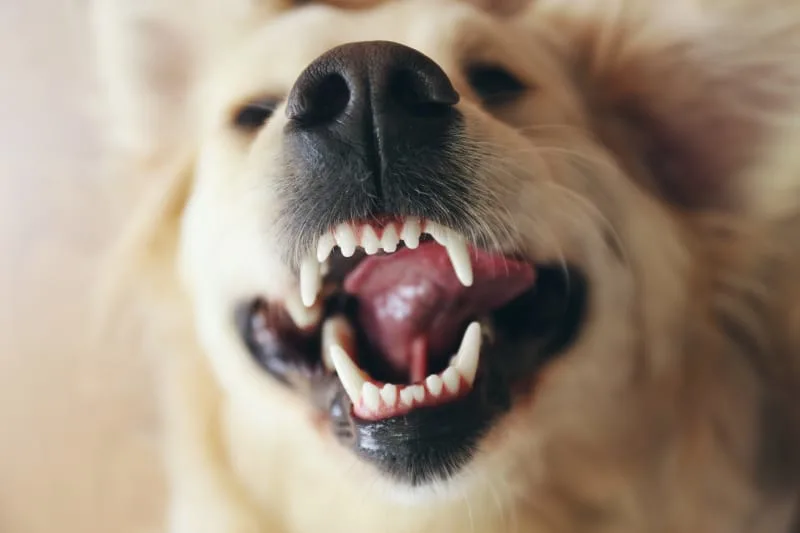
Taking care of your dog's oral health is crucial for their overall health. Unfortunately, many dogs don't receive the dental care required to maintain healthy gums and teeth. Here, our Oklahoma City veterinarians discuss the treatment and prevention of periodontal disease in dogs.
What is canine periodontal disease?
Periodontitis, also known as gum disease or periodontal disease, is a condition that is caused by a build-up of plaque on your dog's teeth that eventually causes infection and a variety of other oral health issues.
In the early stages, dogs with periodontal disease tend not to show any obvious symptoms. In its more advanced stage symptoms including chronic pain, tooth loss, gum erosion or even bone loss can appear.
What causes periodontal disease in dogs?
Over time, bacteria in your dog's mouth gradually accumulates and forms plaque, which then combines with minerals to harden into tartar within a few days. Once tartar forms on your dog's teeth, it becomes more challenging to remove.
If left untreated, tartar continues to accumulate, causing the gums to pull away from the teeth and creating pockets where bacteria can thrive. This can lead to the formation of abscesses, deterioration of tissue and bone, and eventually, loose or lost teeth.
In small and toy breed dogs, advanced periodontal disease can even result in jaw fractures.
Poor nutrition and diet can also contribute to the development of periodontal disease in dogs, as can factors such as dirty toys, excessive grooming habits, and crowded teeth.
How can I tell if my dog has periodontal disease?
There are typically little or no signs of periodontal disease while it's in the early stages, however, if your dog is suffering from advanced periodontal disease you may notice one or more of the following symptoms:
Bad breath (halitosis)
Loose or missing teeth teeth
Blood on chew toys or in water bowl
Excessive drooling
Favoring one side of the mouth when chewing
Reduced appetite
Discolored teeth (yellow or brown)
Inflamed or bleeding gums
Irritability
Problems keeping food in mouth
Weight loss
Bloody or “ropey” saliva
Periodontal disease is a serious health concern for our dogs. Not only can periodontal disease be painful, but it also has negative effects on your dog's overall health. This is because the infection in the gum can allow bacteria into the bloodstream which can cause problems with major organs, such as the heart or kidneys.
How to Treat Periodontal Disease in Dogs
If your dog is showing signs of periodontal disease, your veterinarian may suggest professional cleaning or other treatments based on the severity of their oral health issues.
The cost of dental care for your dog can vary depending on the necessary treatment and your specific veterinarian.
To conduct a comprehensive examination of your dog's teeth and gums and carry out any required treatments, anesthesia will be necessary. Pre-anesthesia blood work is also crucial to ensure your pet is in good health and suitable for anesthesia medications.Dental procedures for dogs typically include:
A pre-anesthetic physical assessment
A complete oral examination
Teeth cleaning
Teeth polishing
Dental X-rays
Fluoride treatment
Dental sealant
How can I prevent my dog from developing periodontal disease?
Many pet parents wonder how to prevent periodontal disease in dogs. Prevention is relatively easy - in many cases, periodontal disease can be avoided by regularly brushing your dog's teeth and bringing them for regular veterinary dental checkups. Your pooch should see the vet at least once a year for an oral health examination and cleaning.
Brushing between appointments helps keep your dog's mouth clean and prevents plaque from building up. You may also want to offer your dog specially formulated dental chews and dog food, as well as specially designed toys to help address dental disease and reduce the buildup of tartar.
If your pooch is displaying symptoms of periodontal disease such as swollen or inflamed gums, appetite changes or missing teeth, book an appointment with your vet as soon as possible.
Note: The advice provided in this post is intended for informational purposes and does not constitute medical advice regarding pets. For an accurate diagnosis of your pet's condition, please make an appointment with your vet.
Have you noticed signs of gum disease or oral pain in your pooch? Contact our Oklahoma City vets today to book your pup a dental exam.